yahboom
HomeLearn
Solution
Blog
Online Store
About Us
EN/中文
PALMSLAM📖
1. Product Introduction
  • 0.Get started
  • 1. Learning route
  • 2. Frequently Questions
  • 3. Control panel introduction
  • 4. Introduction to LiDAR
  • 5. Robot charging and battery considerations
  • 6.Unboxing and reviewing
2. Assembly video
  • Installation Video
3. Basic configuration
  • 0. Get started quickly
  • 1. Write the firmware
  • 2. Virtual machine installation and startup system
  • 3. Expansion board configuration parameters
  • 4. How to choose the alarm level and radar model
  • 5. Connection Agent
4. LiDAR course
  • 0. Enter the same docker terminal
  • 1. Robot information release
  • 2. Robot URDF model
  • 3. Basic distance measurement function
  • 4. SLAM Gmapping
  • 5. SLAM Cartographer
  • 6. APP mapping
5. Linux operating system
  • 1.Introduction to Linux system
  • 2.Ubuntu file system
  • 3.Ubuntu common commands
  • 4.Ubuntu common editors
  • 5.Ubuntu software operation commands
  • 6.Virtual machine installation
  • 7.SSH remote control
  • 8.VNC remote control
  • 9.Transfer files remotely
  • 10.Driver library and communication
  • 11.Static IP and hotspot mode
  • 12.Bind device ID
  • 13.Capacity expansion and resource allocation
  • 14.Update system software sources
  • 15.Set root user password
  • 16.sudo free password
  • 17.Connect to WiFi network
  • 18.View system version
  • 19.Customized service management
  • 20.Back up system image
6. ROS2 Basic Course
  • 1.Introduction to ROS2
  • 2.ROS2 install Humble
  • 3.ROS2 development environment
  • 4.ROS2 workspace
  • 5.ROS2 function package
  • 6.ROS2 node
  • 7.ROS2 topic communication
  • 8.ROS2 service communication
  • 9.ROS2 action communication
  • 10.ROS2 custom interface message
  • 11.ROS2 parameter service case
  • 12.ROS2 meta-function package
  • 13.ROS2 distributed communication
  • 14.ROS2 DDS
  • 15.ROS2 time related API
  • 16.ROS2 common command tools
  • 17.ROS2 rviz2 use
  • 18.ROS2 rqt toolbox
  • 19.ROS2 Launch startup file configuration
  • 20.ROS2 recording and playback tool
  • 21.ROS2 URDF model
  • 22.ROS2 Gazebo simulation platform
  • 23.ROS2 TF2 coordinate transformation
Download
  • System_File
  • VM_File
  • Code
  • Software_Tool
  • Hareware_Info
  • 3D_Model_File
  • Instruction_Manual
  • ROS2_Basic_VM
Download ZIP

Welcome to PALMSLAM repository

6.Virtual machine installation

1.Virtual machine installation

User name:yahboom

Password:yahboom

VM password:Ubuntu20.04

1.1 Virtual machine installation

The virtual machine VMware Workstation is a paid software, and we do not provide VMware downloads. You need to download it online and then double-click the downloaded exe installation file.
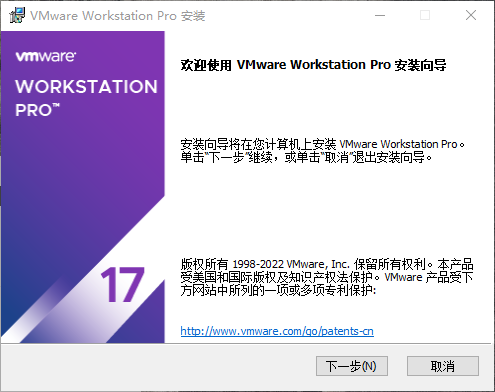
Click "Next".
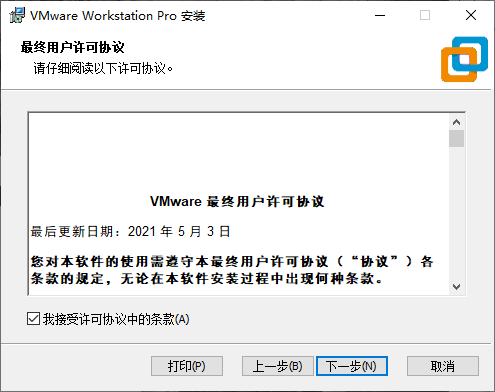
Check the box to accept the license and click "Next".
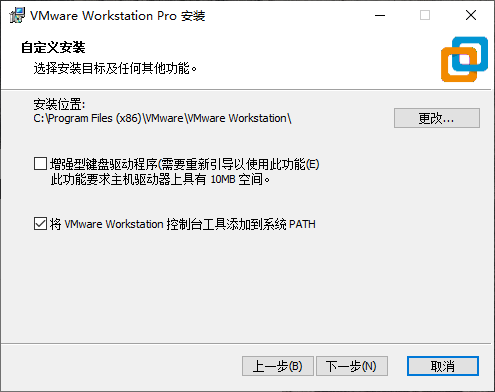
Select the installation location, check Add console tools to the system, and click "Next".
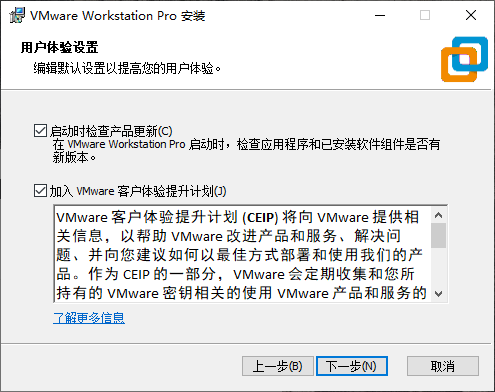
 

Keep clicking Next until the following interface.
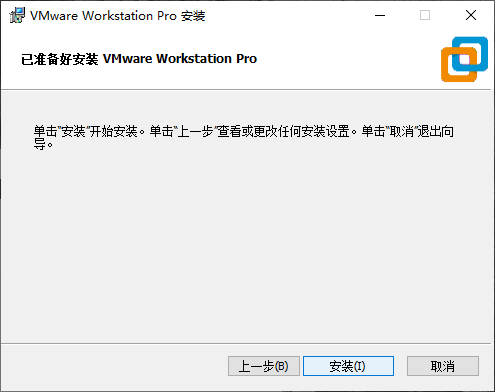
Click "Install" and wait a few minutes.
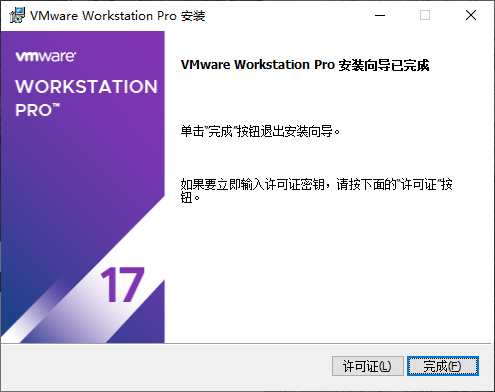
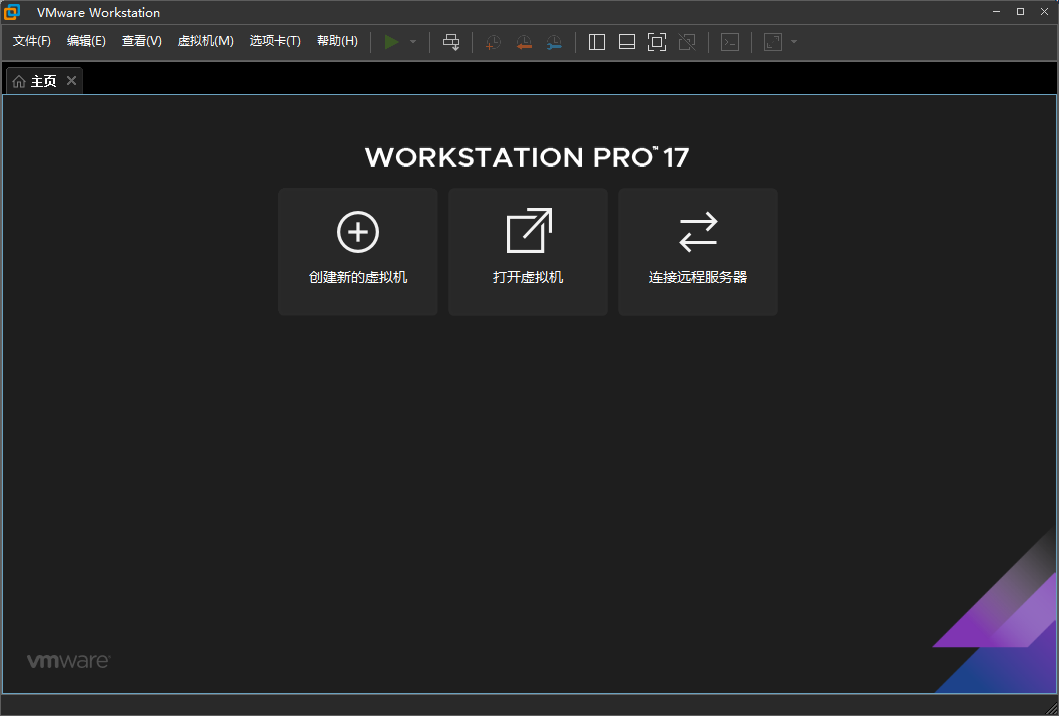
The above completes the installation of VMWare. You can open VMWare on the desktop, as shown below.
 

1.2 Virtual machine usage

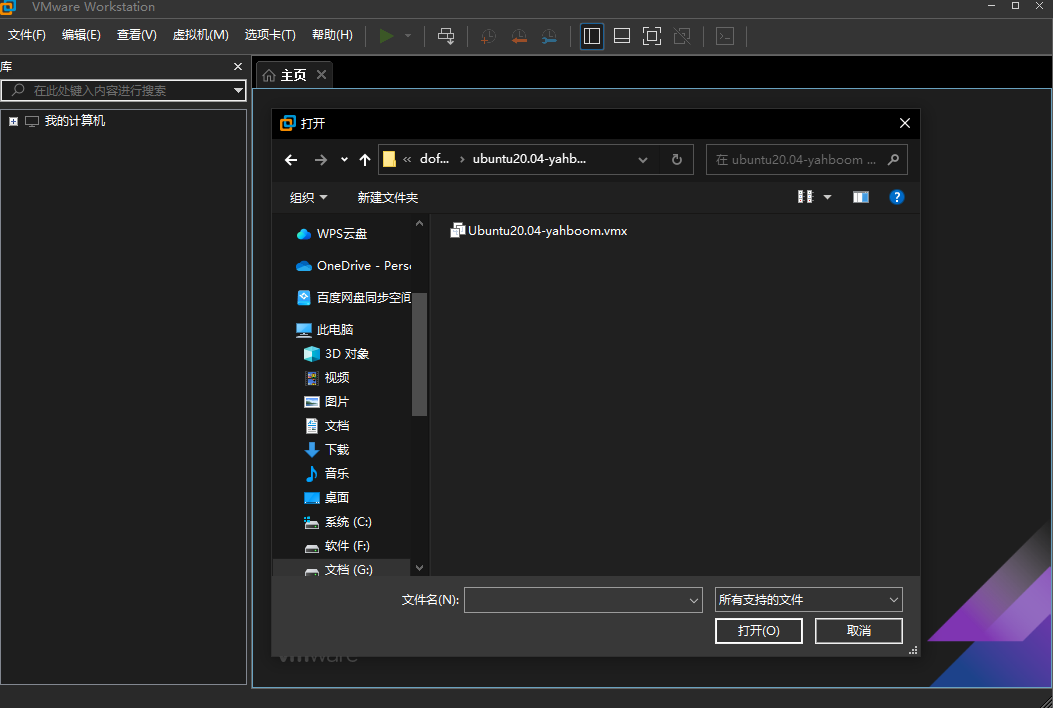
Find a local hard drive with more than 40G of remaining space and decompress the system compressed files. After installing the VMware Workstation virtual machine, double-click to open it and enter the interface as shown in the figure. Click [Open Virtual Machine]
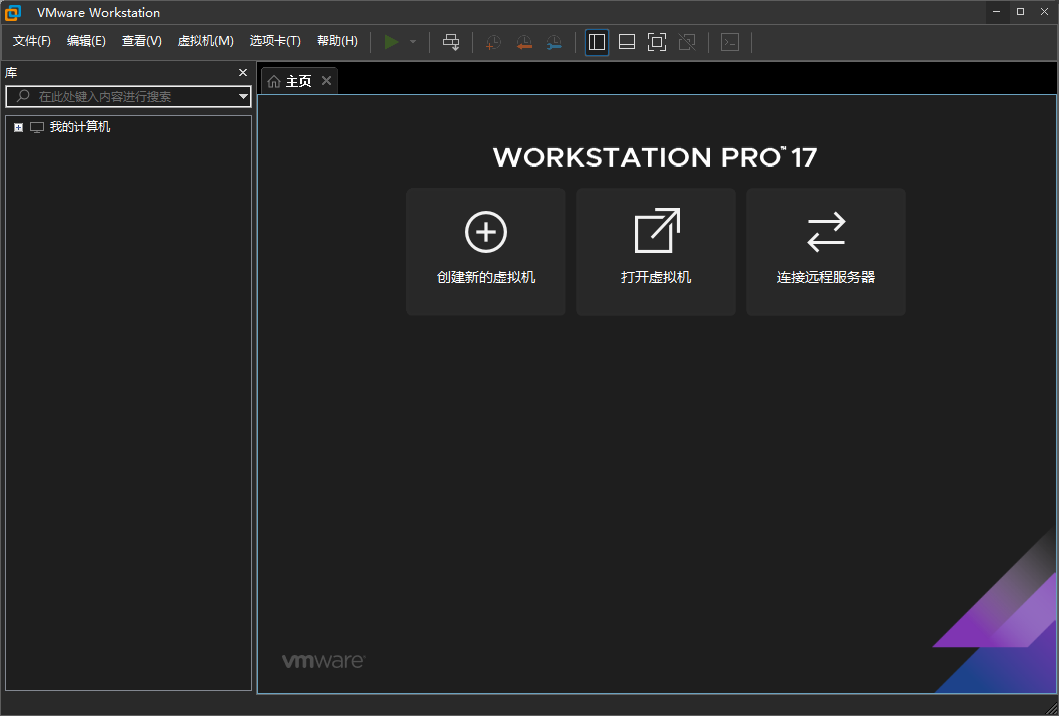
Select the unzipped system file, as shown in the figure below.
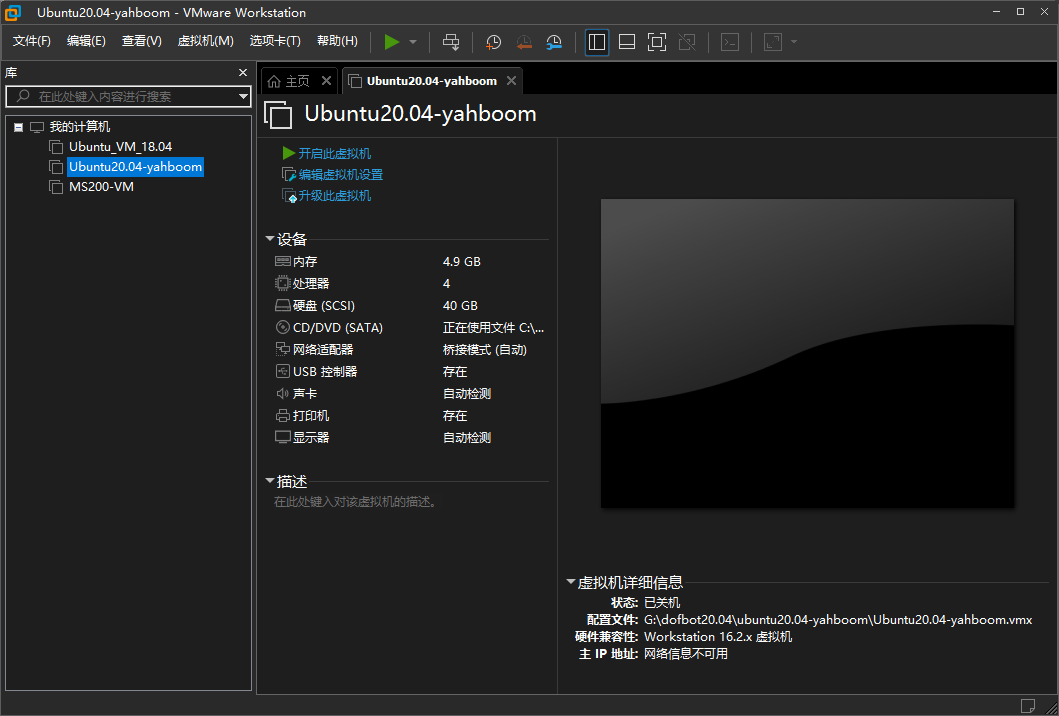
Click [Start this virtual machine]
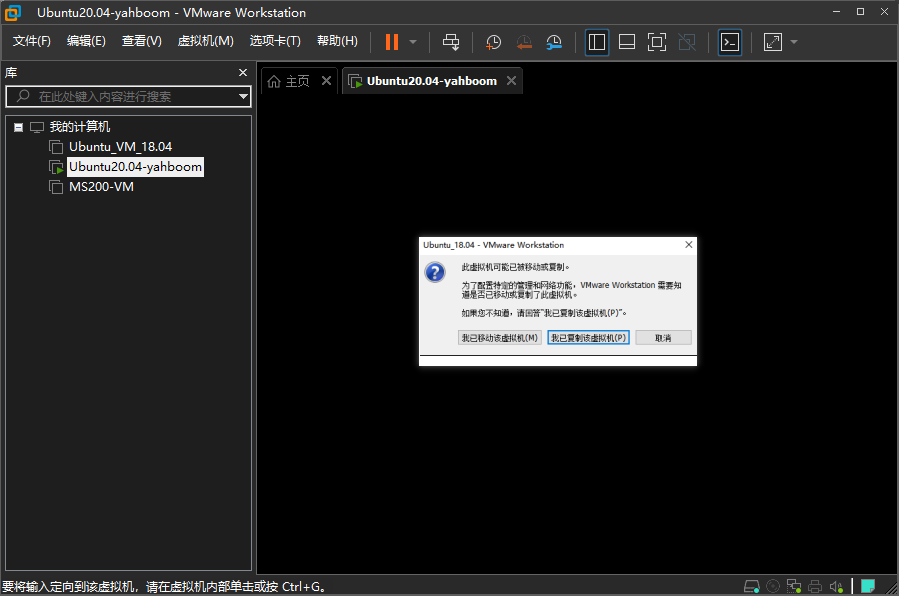
If the prompt shown in the figure below appears, directly select [I have copied this virtual machine (p)].
Click【yahboom】
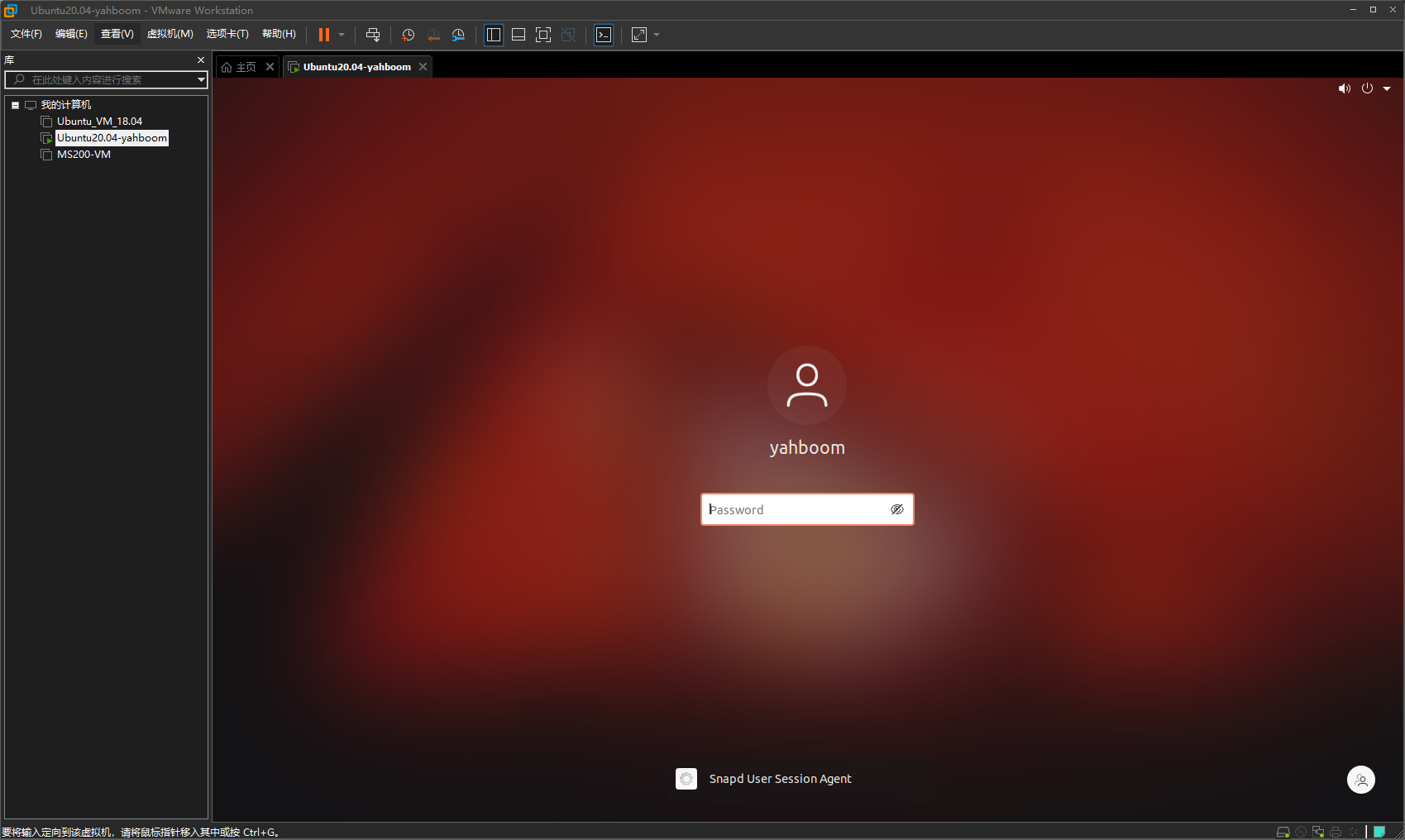
Enter the password 【yahboom】and click the 【enter key】 on the keyboard to confirm.
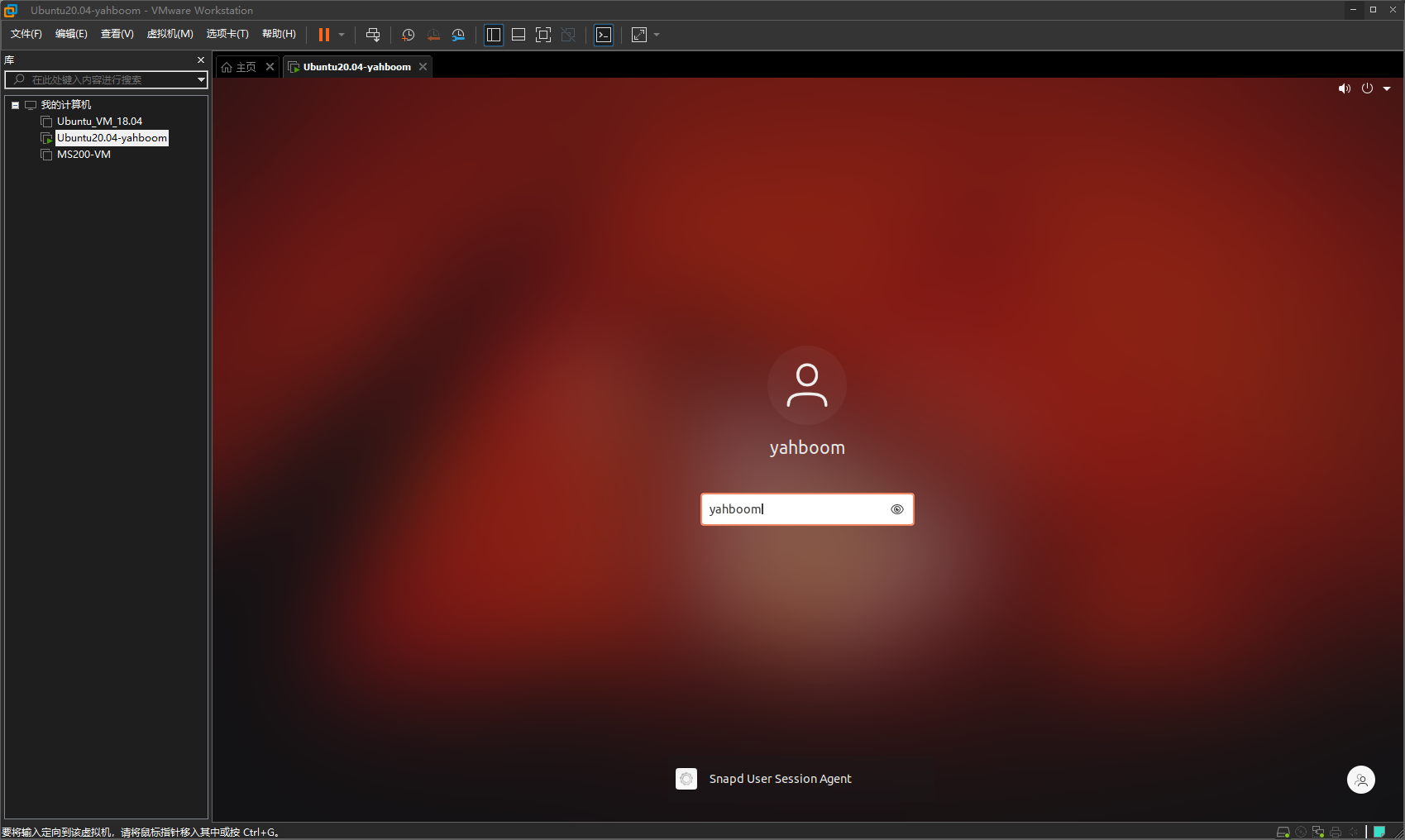
1.3 Virtual machine settings

You can edit the virtual machine settings before starting, as shown below, then click 【Edit Virtual Machine Settings】.
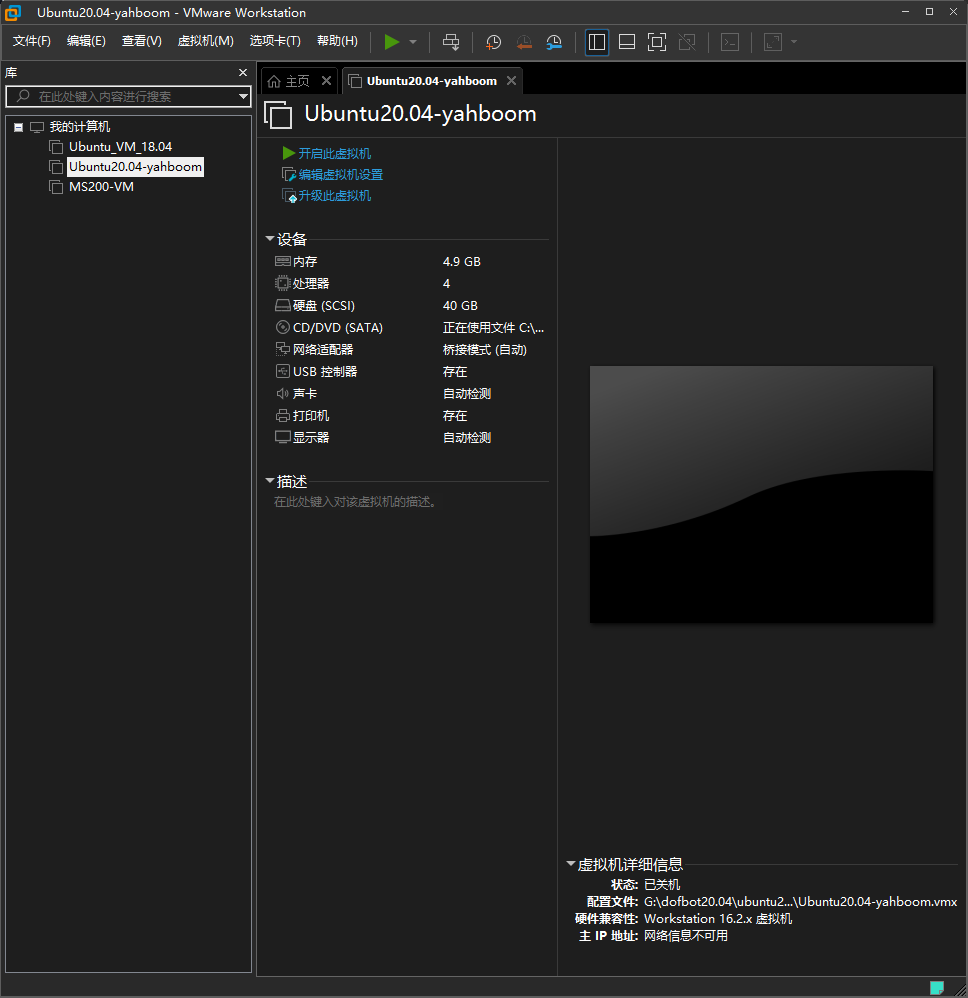
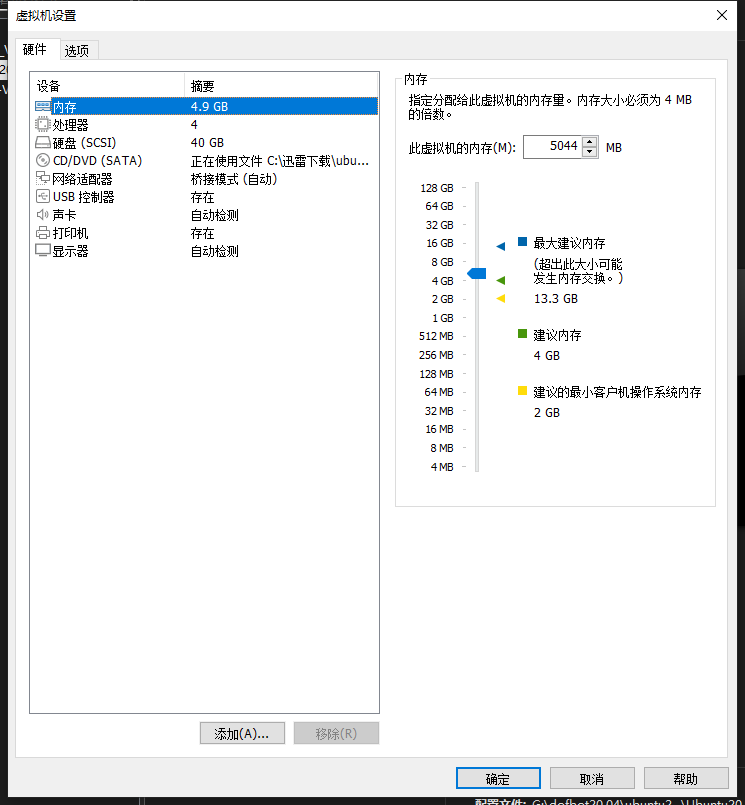
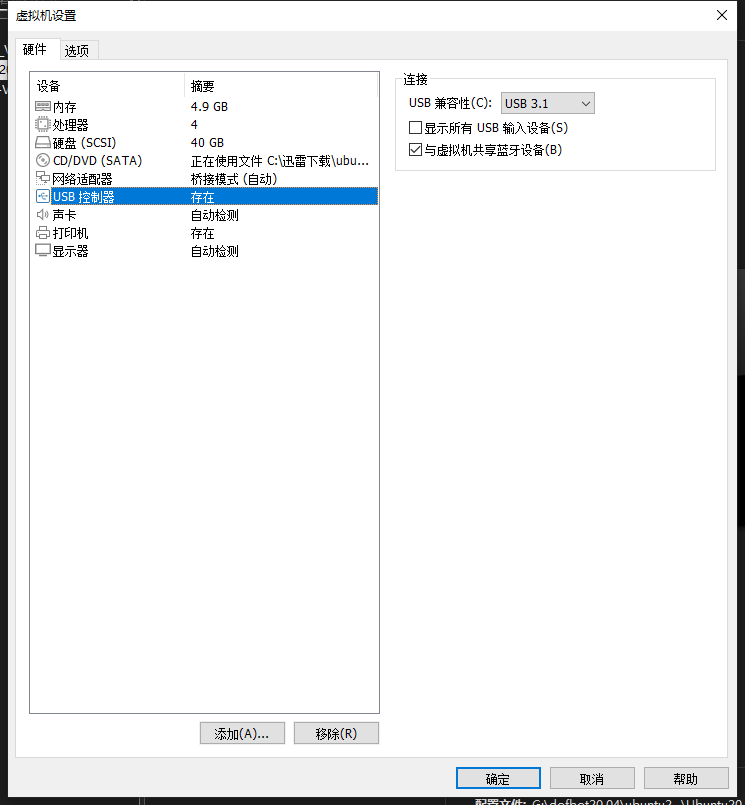
The 【Virtual Machine Settings】 dialog box will pop up.

Since the situation of each computer is different, settings can be made according to the actual situation. The higher the virtual machine memory setting, the faster the virtual machine will run, but do not exceed the maximum memory.
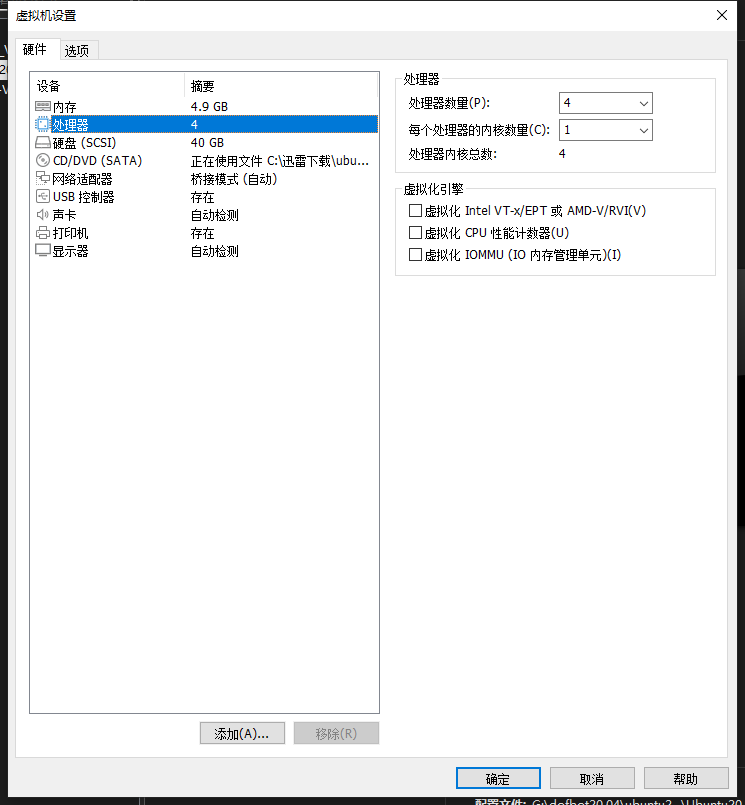
Processor: The higher the number of cores (c) per processor, the smoother the virtual machine will run, but it must not exceed the total number.
USB controller: USB compatibility is set to 【USB 3.1】, so that USB3.0 devices can be used.
Ubuntu software operation commands
SSH remote control

COMPANY

  • About us
  • Team Style
  • Blog

LEARNING & EXPLORATION

  • Tutorials
  • Edge AI hardware
  • Educational robots
  • Embedded intelligent hardware

WHERE TO BUY

  • Yahboom Online Store
  • Amazon
  • Alibaba
  • AliExpress
  • Mercado

TECHNOLOGY SUPPORT

  • Email: support@yahboom.com

BE A DISTRIBUTOR

  • Email: sales@yahboom.com
QR Code

Copyright © 2017-2026 Yahboom. All Rights Reserved.

EN/中文